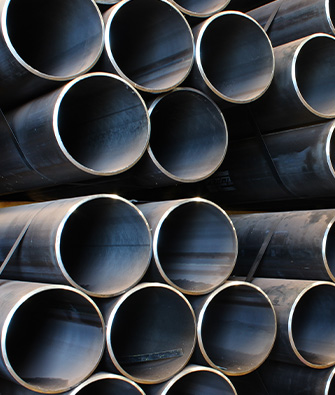
Wrong pipe specs sink projects before ground breaks. Engineers pick a schedule number thinking it fits pressure needs, only to discover wall thickness mismatches fittings. Another crew orders Grade B when temperatures drop below zero, and cracks appear overnight.
Specifications exist to prevent these disasters. Reading them correctly separates lasting installations from expensive failures. Trusted CS pipe suppliers in UAE insist on clear specifications before every delivery.
Material grades
Carbon steel pipes utilize specific iron and carbon mixes. Lower carbon content makes the metal easier to weld and shape. Higher carbon levels increase strength but reduce flexibility. Engineers select grades based on pressure needs. Standardized tests check the chemical makeup to confirm the metal meets industrial requirements.
Wall thickness
Wall thickness dictates how much internal pressure a pipe withstands. Schedules represent these thickness measurements. A higher schedule number signifies thicker walls. Thin pipes work well for low-pressure fluid transport. Thick pipes handle volatile gasses or extreme conditions. Matching the schedule to the application prevents leaks and breaks.
Manufacturing methods
Seamless pipes come from solid steel billets. Machines heat and stretch the metal until it forms a tube. This process leaves no seams, creating a uniform structure. Welded pipes start as flat steel plates rolled and joined along the edge. Modern welding creates bonds as strong as the surrounding metal. Each type serves different structural or flow purposes.
Surface treatments
Unprotected steel rusts when exposed to moisture. Coatings provide a barrier against corrosion. Galvanizing adds a layer of zinc to block air and water. Paint or epoxy coatings offer protection for specific environments. Proper surface finish extends the service life of the metal significantly. Keeping the exterior intact prevents early degradation.
End preparations
Pipe ends need matching to fit valves, fittings, or other pipes. Plain ends allow for welding directly to flanges or couplings. Beveled ends simplify welding by creating a V-shaped groove for fill material. Threaded ends allow simple screw-in connections. Choosing the correct end type speeds up installation and creates tight seals for flow control.
Size standards
Nominal pipe size refers to the approximate inner diameter. Outside diameter remains constant for a specific size regardless of wall thickness. This consistency allows fittings to attach to different pipe schedules easily. Knowing the exact outer measurement ensures parts fit correctly during assembly. Standard sizing rules allow teams to source matching components from different origins with ease.